Sónar: how a festival changed the history of a city
It is not just an event that takes place in Barcelona. It is one of the ways Barcelona learned to tell its story to the world.
by Fede Piccinini
Journalist, editor and content creator
Published 2 June 2026
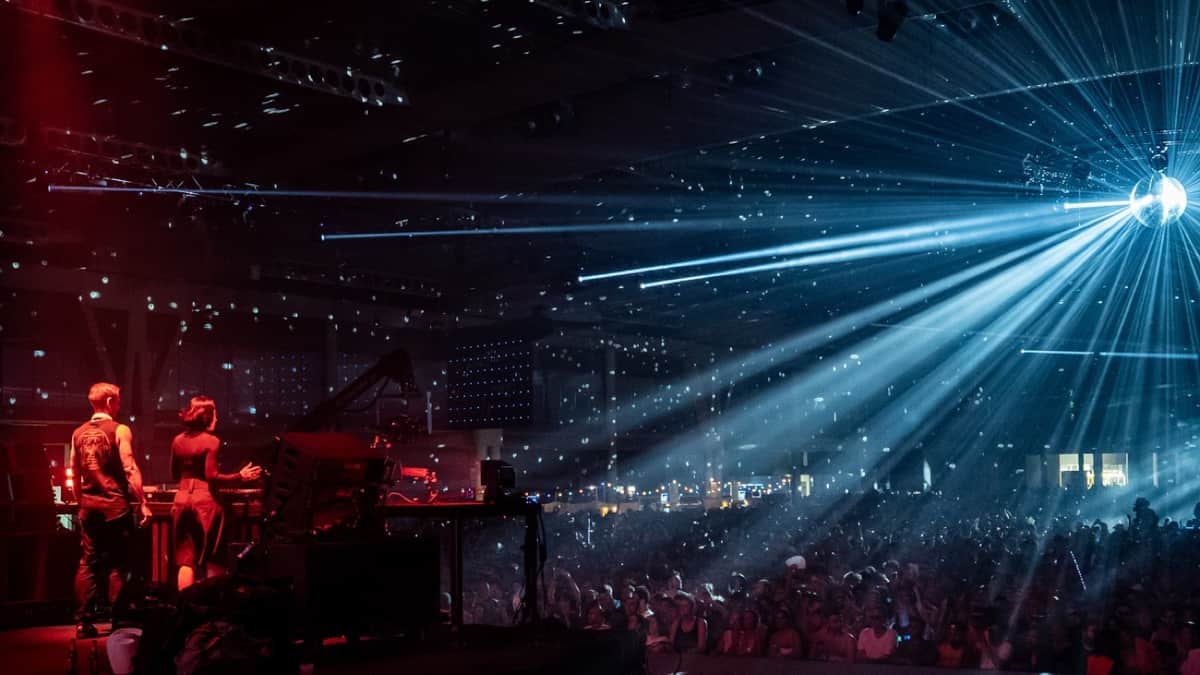
Before the festival
Sónar was born as a platform for advanced music and digital culture, at a moment when the city was redefining its international identity. The festival did not follow that process: it accelerated it.
Its useful history is not the chronology of editions, but the relationship with the urban fabric: venues, audiences, seasons and an idea of electronic culture that does not coincide with the night alone.
What it teaches
A festival can become cultural infrastructure when it stops asking the city only for space and starts giving language back. That is the lesson that matters, beyond lineups.
Keep reading
Back to stories →
OWSLA’s seven years in seven tracks
A label that defined a sound and an aesthetic: OWSLA’s story told through the tracks that made it recognisable.
Read the story
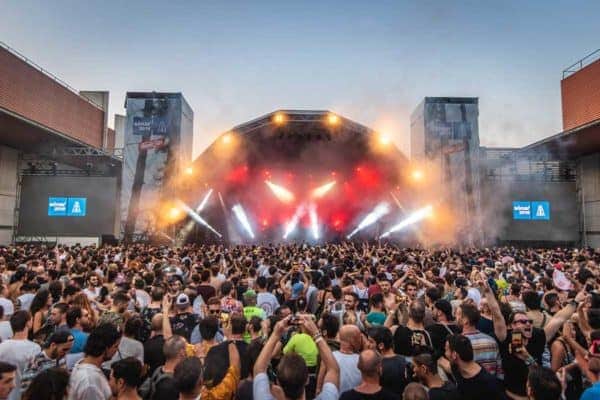
Sónar 2019, the importance of being there
Before the 2026 return, Sónar 2019 already described a festival asking its audience to choose, not accumulate.
Read the story
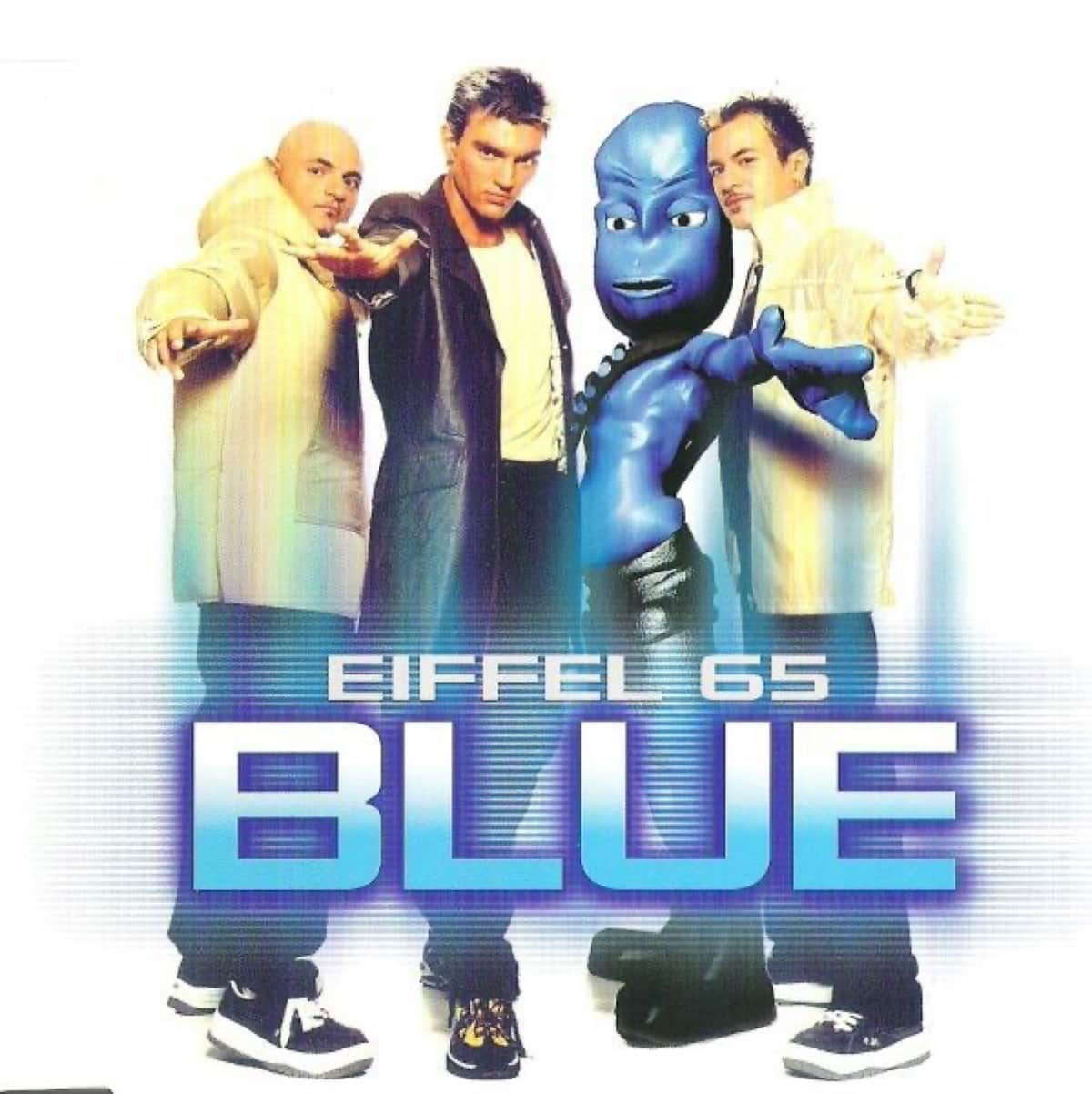
David Guetta, Eiffel 65 and the nostalgia that kills us
Nostalgia is not memory. It is a way of simplifying the past to sell it better to the present.
Read the story
Collaborations
Do you have a story to tell?
Interviews, field reports, content for festivals and brands. Tell me what you have in mind: I reply personally.
A direct reply, no middlemen.
Every two weeks: one long story, three selected links, no noise. Free, one-click unsubscribe.
Join the newsletter →